
Pomona has some of the oldest residential housing in the Inland Empire. Many homes near downtown Pomona and in the city's historic neighborhoods were built between the 1920s and 1960s — which means plumbing systems that are 60 to 100 years old are not uncommon. Galvanized steel supply lines, cast iron drain pipes, and clay tile sewer laterals that were installed decades before modern plumbing codes are still in service in many Pomona homes. Even the city's newer neighborhoods from the 1970s and 1980s have plumbing systems that are approaching the end of their service life. Add in the San Gabriel Valley's hard water and the region's clay-heavy soils and you have conditions that accelerate every type of plumbing failure. Here is what Pomona homeowners are dealing with most often and what options are available.
1. Galvanized Pipes — Pomona's Biggest Plumbing Problem
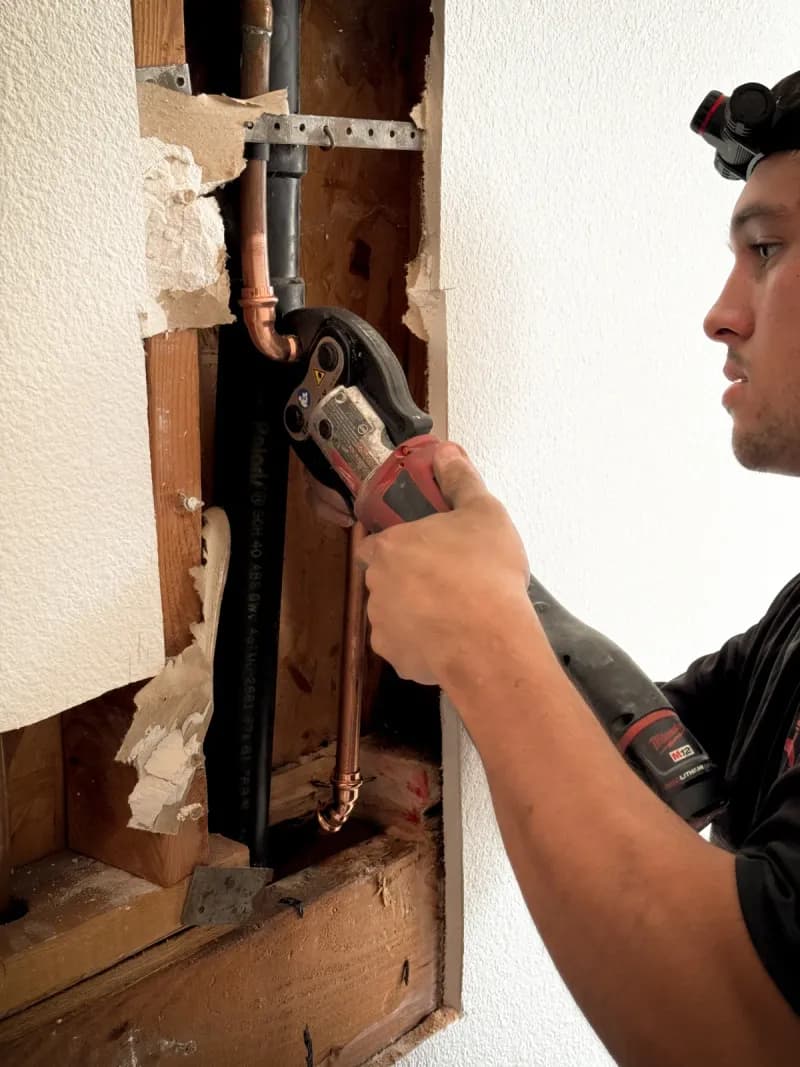
Galvanized steel pipes were the standard for residential plumbing from the early 1900s through the 1960s. If your Pomona home was built before 1970 there is a significant chance it still has original galvanized supply lines. Galvanized pipe is steel coated with zinc, and while it was durable when new, it corrodes from the inside out as it ages. Rust and mineral scale accumulate on the interior walls of the pipe, gradually narrowing the water passage and eventually causing pinhole leaks. In Pomona's hard water environment galvanized pipe corrosion accelerates significantly compared to softer water areas. The warning signs are low water pressure at multiple fixtures, rust-colored water especially first thing in the morning, small but persistent leaks at joints and fittings, and visible orange or brown discoloration on surfaces touched by the water. Replacing galvanized pipes with copper or PEX is one of the most impactful plumbing improvements a Pomona homeowner can make. A whole-home repipe eliminates the rust, the pressure problems, and the ongoing leak risk in one project. Most Pomona homes can be repiped in one to two days with minimal disruption to the household.
2. Cast Iron Drain Line Deterioration
Pomona's older homes frequently have cast iron drain lines inside the walls and beneath the slab. Cast iron was an excellent drain material for its era — durable, quiet, and resistant to the relatively mild drain chemistry of the time. After 60 to 80 years however cast iron deteriorates significantly. The interior surface of aging cast iron becomes rough and irregular as the metal corrodes, which catches debris and accelerates buildup. In many cases the pipe develops rust-through holes or cracks that allow wastewater to escape into the soil beneath the slab or inside wall cavities. This can lead to foundation moisture problems, persistent sewage odors, and slow drains that return quickly after being cleared. A sewer camera inspection gives a definitive picture of cast iron pipe condition without any demolition. If the cast iron is significantly deteriorated trenchless cured-in-place pipe lining creates a new smooth interior surface inside the existing pipe without excavation. This is significantly less disruptive and expensive than full pipe replacement. Regal Plumbing & Rooter performs sewer camera inspections and trenchless pipe lining throughout Pomona.
3. Slab Leaks in Clay-Heavy Soil
Pomona sits on the same expansive clay soils that affect much of the Inland Empire. The soil swells with moisture and contracts during dry periods, putting constant stress on copper pipes embedded beneath concrete foundations. In Pomona homes built from the 1960s through the 1980s the original copper slab pipes are now 40 to 60 years old and showing the cumulative effect of decades of soil movement. Pinhole leaks develop at stress points — typically at pipe joints and bends — and once a leak starts the damage compounds quickly. Hard water accelerates the failure by depositing mineral scale that promotes localized corrosion inside the pipe. Warning signs include warm spots on the floor, an unexplained increase in your water bill, the sound of running water when nothing is in use, and cracks appearing in flooring or baseboards. Electronic leak detection pinpoints the leak location without breaking up concrete. Repair options range from direct access spot repair to full pipe rerouting through walls or ceilings depending on the location and severity of the damage.
4. Water Heater Sediment and Premature Failure
Hard water hits Pomona water heaters especially hard. Every gallon of heated water leaves behind a small amount of mineral sediment that settles at the bottom of the tank. Over years this sediment layer thickens and acts as insulation between the burner and the water — forcing the heater to work harder, consume more energy, and ultimately fail sooner than expected. In Pomona homes the typical tank water heater service life is 8 to 10 years without regular maintenance, compared to 10 to 12 years in areas with softer water. The warning signs are easy to spot once you know what to look for: rumbling or popping sounds when the burner runs, hot water that runs out faster than it used to, hot water that is discolored or has a metallic taste, and energy bills that have steadily increased without a change in usage. Annual flushing significantly extends water heater life. For homes where a water heater is more than 8 years old and showing these signs, replacement before a tank failure causes water damage is almost always the right financial decision.
5. Aging Sewer Laterals and Tree Root Intrusion
Pomona's historic neighborhoods feature mature trees that have been in place for 50 years or more. These trees have grown alongside clay tile and cast iron sewer laterals — and roots have infiltrated those lines through every joint and crack they could find. By the time most Pomona homeowners notice a problem the roots are already well established inside the pipe. Symptoms include drains that back up simultaneously across multiple fixtures, gurgling sounds from toilets when other drains are used, sewage odors near floor drains or in the yard, and slow drains that return quickly after individual fixtures are cleared. A sewer camera inspection is the definitive diagnostic tool. Once the extent of root intrusion is known the repair options include hydrojetting to clear the existing roots, trenchless pipe lining to create a new smooth interior surface, or full lateral replacement when the line is too damaged to line. For Pomona homes with mature trees and original sewer laterals a camera inspection every 3 to 5 years is the smartest preventive maintenance step a homeowner can take.
What Pomona Homeowners Should Do First
If your Pomona home is more than 40 years old and you have not had a plumbing inspection recently, that is the place to start. A whole-home plumbing assessment takes about an hour and gives you a clear picture of pipe condition, water heater status, water pressure, and sewer line health. From there you can prioritize repairs based on what is most urgent. For homes with original galvanized supply lines a whole-home repipe is often the highest-impact investment. For homes with cast iron drains showing deterioration trenchless lining preserves the existing pipe and eliminates the disruption of full replacement. For everyone else annual water heater flushing and a sewer camera inspection every few years prevent the most expensive surprises. Regal Plumbing & Rooter is a family-owned company serving Pomona and the surrounding Inland Empire — not a franchise — and every job is backed by our workmanship guarantee.
Frequently Asked Questions
Does my Pomona home have galvanized pipes?
If your Pomona home was built before 1970 there is a strong chance it still has original galvanized steel supply lines. Visible signs include exposed pipes with a dull silver or gray color, occasional rust-colored water, and low water pressure at multiple fixtures. A licensed plumber can confirm pipe material with a quick visual inspection at the water heater connections or under sinks.
How much does a whole-home repipe cost in Pomona?
A whole-home repipe in Pomona typically starts at $8,000 and runs $20,000 or more depending on the size of the home, accessibility of the pipes, and material used. PEX is typically less expensive than copper. Most single-family homes in Pomona can be repiped in one to two days. Regal Plumbing & Rooter provides free written estimates with no obligation.
What is the water hardness level in Pomona, CA?
Pomona's water tests in the very hard range, typically between 200 and 300 mg/L of dissolved minerals. This is well above the federal "very hard" threshold of 180 mg/L. The high mineral content accelerates scale buildup in water heaters, pipes, fixtures, and appliances throughout the home.
Do you offer trenchless sewer repair in Pomona?
Yes. Regal Plumbing & Rooter offers trenchless cured-in-place pipe lining (CIPP) throughout Pomona. This method restores deteriorated sewer and drain lines without excavation by inserting a resin-coated liner into the damaged pipe and curing it in place. It is significantly less disruptive and less expensive than full pipe replacement.
Do you provide 24/7 emergency plumbing in Pomona?
Yes. Regal Plumbing & Rooter provides 24/7 emergency plumbing service in Pomona. Call (909) 600-4561 any time for burst pipes, slab leaks, sewer backups, water heater failures, or gas line issues.
Schedule Service in Pomona
Regal Plumbing & Rooter serves Pomona and the surrounding Inland Empire with honest, reliable plumbing service. We are a family-owned business — not a franchise — and we stand behind every job with a workmanship guarantee. Whether you need a whole-home repipe, a sewer line inspected, or a water heater replaced, call (909) 600-4561 or visit regalplumbingservices.com to schedule service.
Need Help With Your Plumbing?
Regal Plumbing & Rooter serves 32+ cities across the Inland Empire. Call us 24/7.
Call Now — (909) 600-4561