
West Covina has a housing stock that tells the story of Southern California's postwar boom. The majority of homes here were built between the 1950s and 1980s — which means the plumbing systems in many West Covina homes are 40 to 70 years old. Original galvanized pipes, aging water heaters, and cast iron drain lines that were never designed for modern water pressure and usage are a common combination. Layer on top of that the hard water that flows through the San Gabriel Valley and you have the conditions that lead to frequent, expensive plumbing calls. The good news is that most of these problems are predictable — and with the right maintenance and a few targeted upgrades, West Covina homeowners can significantly reduce their plumbing repair frequency and cost.
1. Aging Galvanized Pipes — West Covina's Most Widespread Plumbing Problem
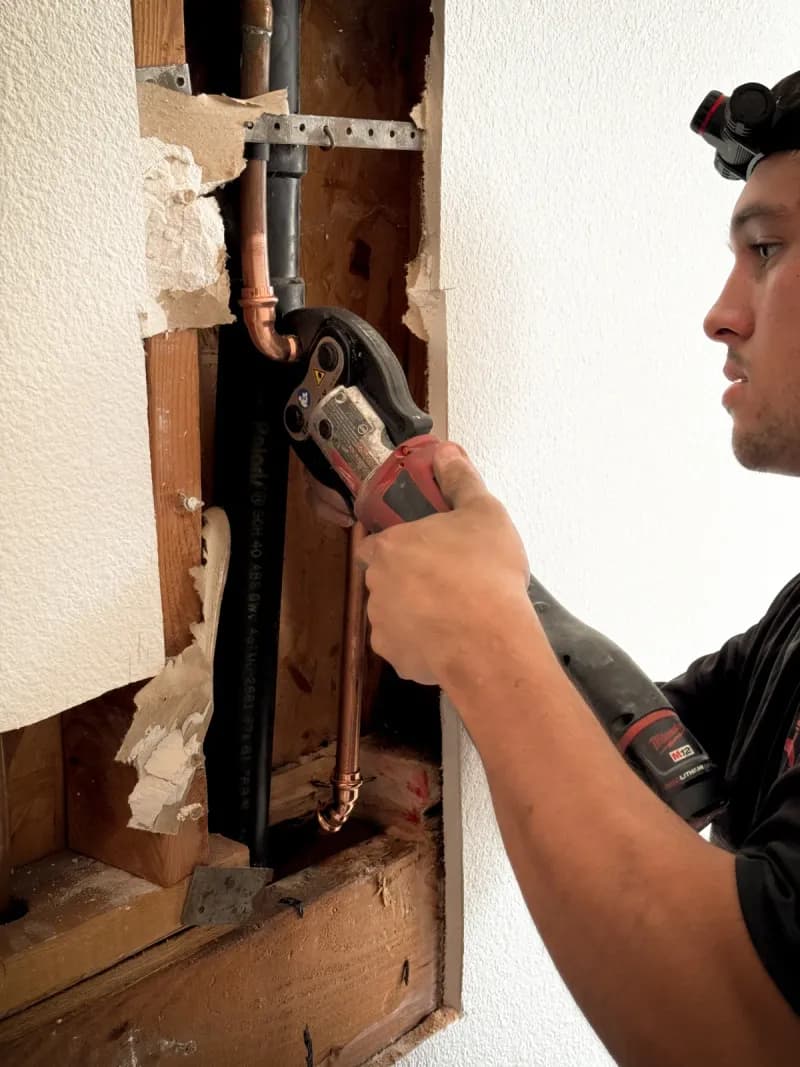
If your West Covina home was built before 1980 there is a good chance it still has original galvanized steel water supply pipes. Galvanized pipe was the standard for residential construction for decades because it was affordable and available. The problem is its service life. Galvanized pipe typically lasts 40-70 years under normal conditions — and West Covina's hard water, which carries dissolved minerals that accelerate corrosion, puts it at the lower end of that range. As galvanized pipes corrode internally, rust and mineral scale build up on the inside walls of the pipe. This narrows the water passage, reduces pressure throughout the home, and eventually causes leaks. The telltale signs are low pressure at multiple fixtures, rust-colored water first thing in the morning before the pipes flush clear, and small but persistent leaks at joints and fittings. Replacing galvanized pipes with copper or PEX is not an emergency repair — but it is a planned investment that eliminates a long list of recurring problems. Most West Covina homes can be repiped in a day or two with minimal disruption. If your home still has original galvanized supply lines, an inspection from a licensed plumber will tell you exactly what condition they are in.
2. Hard Water Damage — The Silent Problem in Every West Covina Home
West Covina sits in the San Gabriel Valley where water hardness consistently registers in the very hard range — typically 200-300 mg/L or higher depending on the source. Hard water doesn't cause immediate visible damage — it works slowly and steadily. Mineral scale accumulates inside water heater tanks, coating heating elements and forcing the unit to work harder. It builds up on faucet aerators and showerheads, reducing flow. It lines the inside of supply pipes, gradually narrowing them. It leaves deposits on dishes, glass shower doors, and tile grout. Over a 10-15 year period the cumulative damage from hard water is significant. Water heaters fail 2-3 years early. Dishwashers and washing machines need more frequent repairs. Showerheads need to be replaced or cleaned regularly. The solution is a whole-home water softener — a system installed at the main water entry point that exchanges the calcium and magnesium ions in your water for sodium ions before the water reaches any fixture or appliance. Water softeners protect everything downstream and typically pay for themselves within 3-5 years through extended appliance life and reduced repair frequency. Regal Plumbing & Rooter installs water softeners and filtration systems throughout West Covina and the San Gabriel Valley.
3. Cast Iron Drain Line Deterioration
Many West Covina homes built in the 1950s through 1970s have cast iron drain lines beneath the slab and inside the walls. Cast iron was an excellent drain material for its era — durable, quiet, and resistant to the relatively mild drain chemistry of that time. But after 50-70 years, cast iron deteriorates. The interior surface of the pipe becomes rough and irregular as the metal corrodes, which catches debris and accelerates buildup. In many cases the pipe develops rust-through holes or cracks that allow wastewater to escape into the soil beneath the slab or inside wall cavities. Signs of failing cast iron drains include persistent slow drains that keep returning despite cleaning, sewer odors inside the home, multiple drain backups occurring close together, and soft spots or discoloration on floors near drain locations. A sewer camera inspection gives a definitive picture of the condition of your drain lines without any demolition. If the cast iron is significantly deteriorated the recommended repair is typically a full reline using trenchless cured-in-place pipe (CIPP) lining, which creates a smooth new interior surface inside the existing pipe without excavation. This is significantly less disruptive and expensive than full pipe replacement.
4. Water Heater Failure Due to Hard Water and Age
Water heaters in West Covina face a double challenge: they operate in an area with very hard water, and a significant percentage of them are overdue for replacement. A standard tank water heater has a service life of 8-12 years. Hard water reduces that to 7-10 years in many cases by accelerating sediment buildup and anode rod depletion. If your West Covina home's water heater is more than 8 years old and you are experiencing inconsistent hot water, discolored water, rumbling sounds, or a visible puddle near the base of the unit, the heater is approaching end of life. Replacement before failure is almost always less expensive than emergency replacement after a failure — especially if a failing heater leaks and causes water damage. Regal Plumbing & Rooter stocks and installs major water heater brands same-day throughout West Covina for most standard residential sizes.
5. Main Sewer Line Problems in Older West Covina Properties
The main sewer line connects your home's plumbing system to the city sewer in the street. In older West Covina properties, main sewer lines are frequently cast iron or clay tile — both of which degrade over decades and become vulnerable to root intrusion. The mature trees common in West Covina's established neighborhoods send roots into sewer lines through any available crack or joint, eventually causing partial or complete blockages. Signs of a main sewer line issue include multiple drains backing up simultaneously, gurgling sounds from toilets or drains when other fixtures are used, sewage odors near floor drains, and sewage backup in the lowest fixtures in the home. Main sewer line problems do not resolve on their own — they worsen over time. A camera inspection confirms the cause and extent of the problem. Repair options range from hydrojetting to clear root intrusion to trenchless pipe lining or spot repair depending on the findings.
A Maintenance Schedule Every West Covina Homeowner Should Follow
The most cost-effective approach to plumbing in an older West Covina home is proactive maintenance rather than reactive repair. Annual water heater flushing removes sediment and extends tank life. A sewer camera inspection every 3-5 years catches root intrusion and pipe deterioration before a backup occurs. Replacing faucet aerators and showerheads every 2-3 years keeps flow rates optimal and removes mineral buildup. Having a plumber assess the condition of galvanized supply pipes in any home over 35 years old gives you a clear picture of remaining service life and helps you plan a repipe before it becomes an emergency. Regal Plumbing & Rooter offers a whole-home plumbing inspection for West Covina homeowners that covers all of these areas. It takes about an hour and provides a written report with findings and recommendations — no pressure, just honest information.
Frequently Asked Questions
How old are most homes in West Covina and what does that mean for plumbing?
Most West Covina homes were built between the 1950s and 1980s, making their plumbing systems 40-70 years old. Original galvanized supply pipes, cast iron drain lines, and older water heaters are common in this housing stock. At this age, proactive inspection and selective replacement is more cost-effective than waiting for failures.
Does West Covina have hard water?
Yes. West Covina's water is in the very hard range, typically 200-300 mg/L or higher. This accelerates scale buildup in water heaters, pipes, and appliances. A whole-home water softener is the most effective solution for protecting your plumbing system from hard water damage.
How do I know if my West Covina home needs a repipe?
Key signs include low water pressure at multiple fixtures, rust-colored water first thing in the morning, frequent small leaks at pipe joints, and visible corrosion on exposed pipes. A licensed plumber can assess the condition of your pipes and tell you whether repair or full replacement is the better investment.
What is trenchless sewer repair and is it available in West Covina?
Trenchless sewer repair uses cured-in-place pipe lining (CIPP) to restore deteriorated sewer lines without excavation. A flexible liner coated in epoxy resin is inserted into the damaged pipe and inflated against the pipe walls, then cured in place to create a smooth new interior surface. It is significantly less disruptive and less expensive than full pipe replacement. Regal Plumbing & Rooter offers trenchless sewer repair throughout West Covina.
Do you provide emergency plumbing service in West Covina?
Yes. Regal Plumbing & Rooter provides 24/7 emergency plumbing in West Covina. Call (909) 600-4561 any time for sewer backups, burst pipes, water heater failures, or gas line issues.
Schedule Service in West Covina
Regal Plumbing & Rooter has been serving West Covina and the surrounding San Gabriel Valley communities with honest, reliable plumbing service. We are a family-owned business — not a franchise — and we stand behind every job with a workmanship guarantee. Whether you need a water heater replaced, a sewer line inspected, or a whole-home repipe, call (909) 600-4561 or visit regalplumbingservices.com.
Need Help With Your Plumbing?
Regal Plumbing & Rooter serves 32+ cities across the Inland Empire. Call us 24/7.
Call Now — (909) 600-4561